 The Local - Te Aro
The view from the top of Matairangi tells us a story from the past, as Felix Clarke explains.
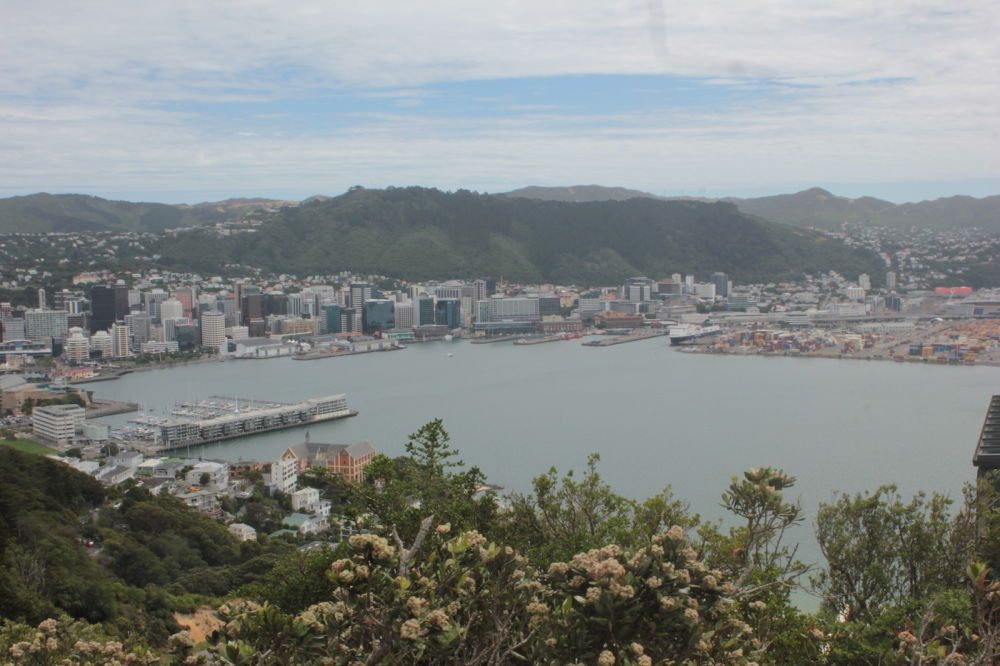
The view from the Mt Victoria look-out comes to life when you better understand the Māori aetiology (or creation myths) of the region.
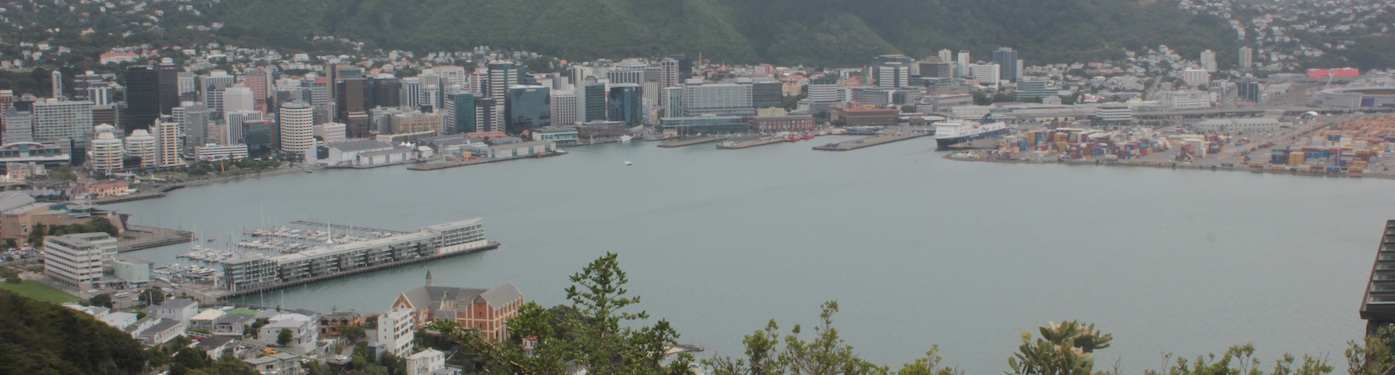
From the peak of Mt Victoria we look out over the city towards the distinct green of Te Ahumairangi, “The Whirlwind”. The story of this hill starts at the beginning of Aotearoa New Zealand itself, when the legendary figure Maui first caught the North Island, Te-Ika-Maui.
Te-Ika-Maui was hacked apart for food by Maui’s own excited brothers. This is said to explain why the North Island is so hilly! However Maui soon shooed his brothers away, insisting that they only take what they needed for their families.
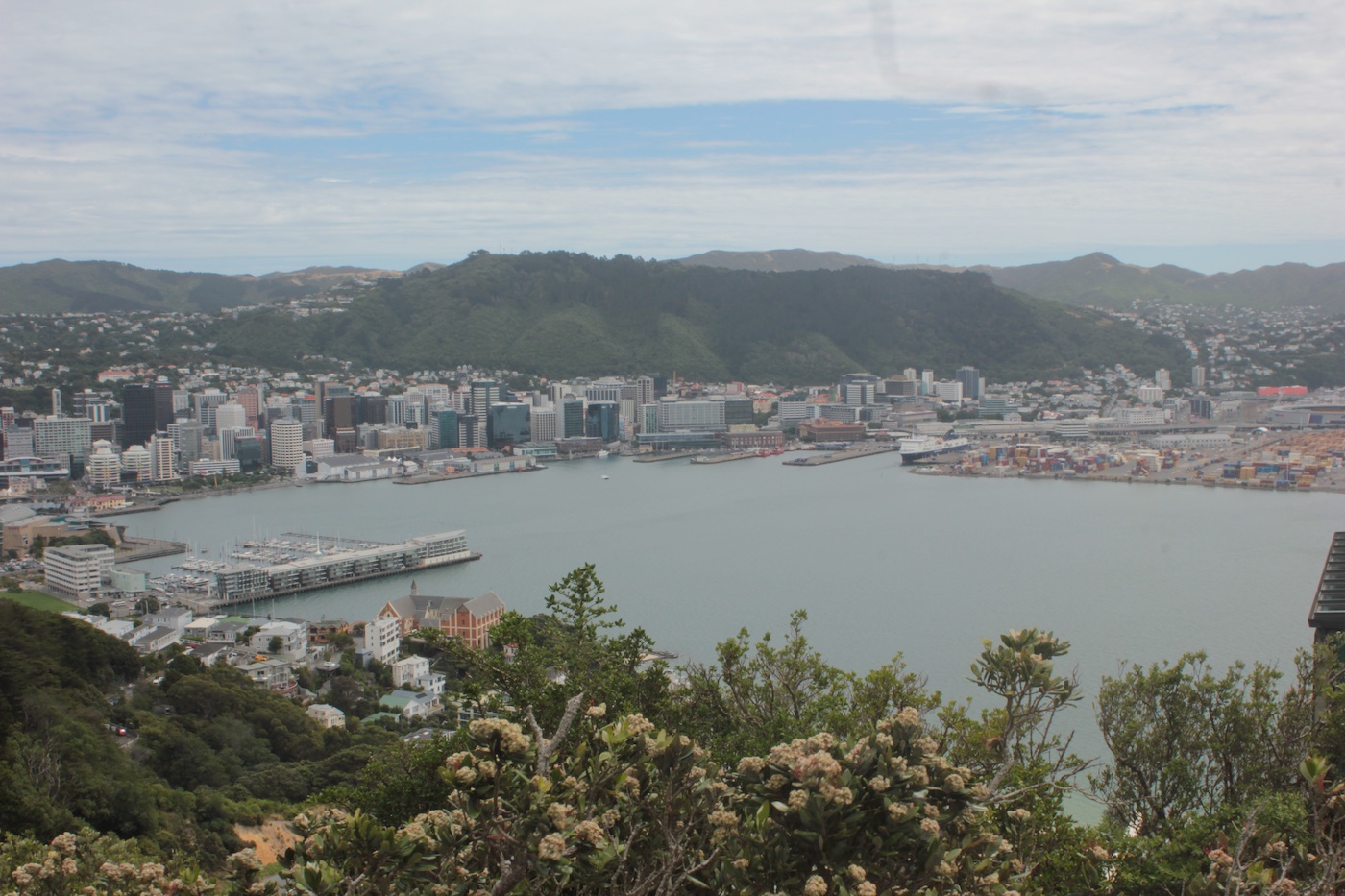
This led to a period of quietness in Aotearoa. Quietness, which turned to isolation. Te-Ika-Maui started to plunge its head in and out of the water, splashing around to express its emotion. This is echoed by the geological activity of the Wellington region — regular earthquakes along multiple faultlines that have considerably uplifted the land. In fact, Te Aro was underwater until the Haowhenua earthquake created almost two meters of uplift between 1430 and 1480 AD. The ensuing tsunamis certainly could’ve felt like the splashing of a gargantuan fish!
Moved by Te-Ika-Maui’s grief, Ranginui cried six tears which became the largest mountains and rivers of the North Island. He also cried two secret tears, which became the sister mountain ranges overlooking Wellington harbour: Pukeariki and Pukeatua.
The sisters saw that Te-Ika needed company from creatures akin to it. So, they created two taniwha, Ngake and Whataitai. At that primordial time, Wellington harbour was a lake, and the taniwha soon grew too big for it. Ngake tried twice to launch himself over the hills to freedom. The first attempt flattened Kilbirnie, and the second went on to become the harbour mouth. It’s to Ngake’s credit that we have salt water in the harbour at all! However, he was a freshwater creature, and soon died in the salty ocean.
Whataitai tried a different approach, launching himself to the North and creating Ngauranga gorge. He crawled down the coast looking for his brother, finally collapsing somewhere in the region. There is disagreement around the exact spot, some say Miramar, some Hataitai, and some put his final resting place as Ahumairangi, pictured above.
Whataitai’s body finally gave in, but his spirit took the form of a bird, flying over Te Aro to the Mt Victoria lookout. He looked east and saw his brother, also in the form of a bird, silhouetted against the rising sun. Whataitai let out a rending screech and flew to join him in the afterlife.
This is why Mt Victoria has two names in Maori: Tangi Te Keo, “the sound at the peak”, as well as Matairangi “scout the sky”.
The source for this account comes from a waiata written by the legendary Rangatihi Tahuparae. Many thanks to Terangingahina Moeahu, of Ngā Ruahine, Te Āti Awa, Taranaki –Tuturu, Ngāti Mutunga, Ngāti Tama, Ngāti To, and teacher of performing arts at Toi Whakaari, for translating the waiata and assisting with this story.
OTHER STORIES
... loading ...