 The Local - Te Aro
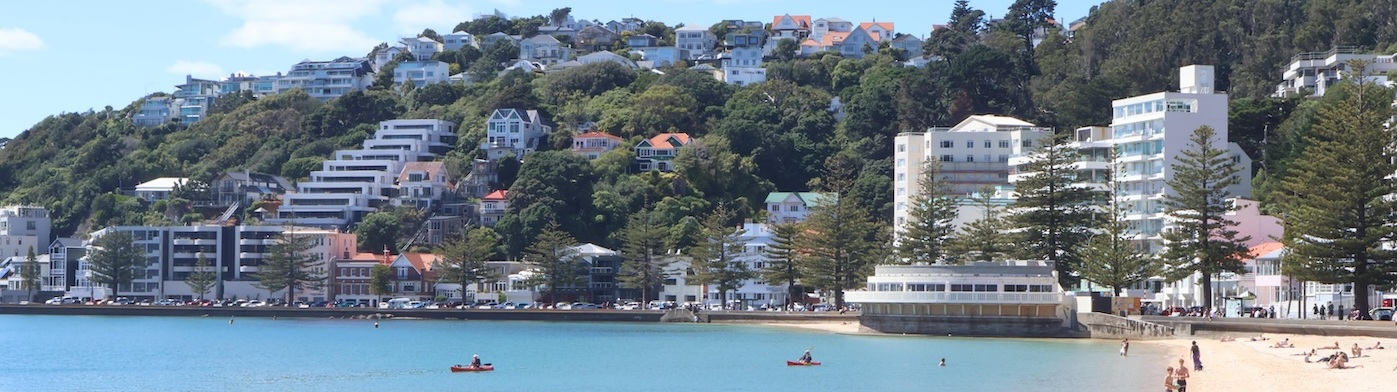
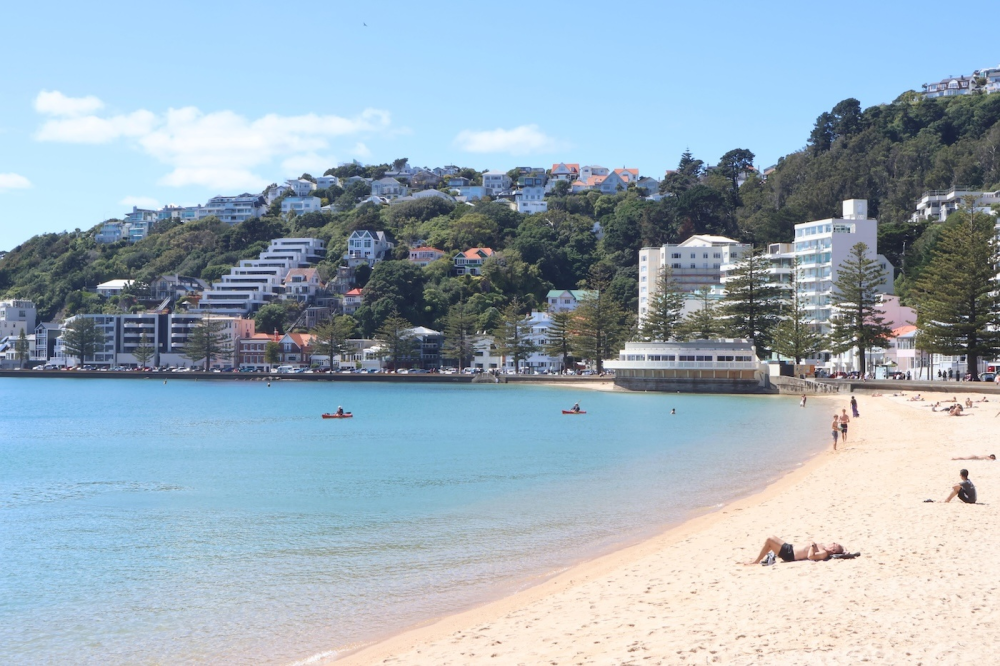
Indy Radcar checks out the mood along Oriental Bay on a gorgeous Wellington day.
It is the last day of summer. The sun is out, the wind is a gentle southerly, and even the UV has lost its mid-summer harshness. By rights, the beach at Oriental Parade should be packed, yet there are fewer than five people in the water. If you suspect the Moa Point failure a few bays over is to blame, you are only half right.
Joan, a regular swimmer, gestures toward the shoreline. “It’s deserted,” she says. A cursory glance reveals at least thirty people scattered across the beach, but the point stands: there is plenty of gold sand between the towels.
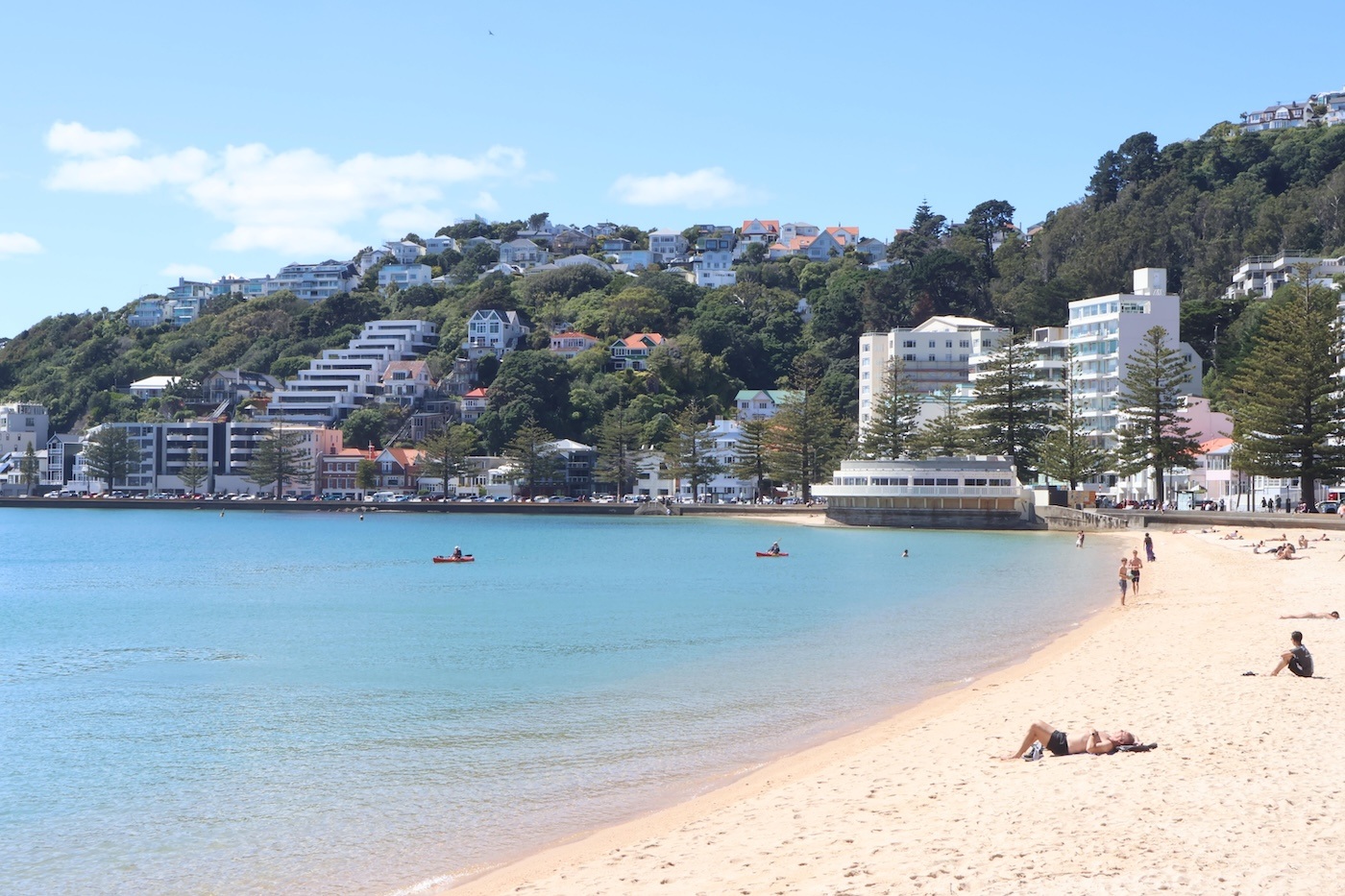
Among the trickle of swimmers heading toward the water, the Mayor’s now-infamous dip was frequently cited as the necessary green light. Though he emerged from the waves covered in what looked like sewage – later confirmed as seaweed – the gesture was effective: Wellington is safe for swimming.
But the “all clear” hasn’t reached everyone. “Even though the water has been tested and the lifeguards are here, people are still just too hesitant,” says Sophia, from Sophia’s Real Fruit Ice Cream.
Next door at Kosmos, Deonte estimates that foot traffic on Oriental Parade has dropped by 50-60%. He sees the sewage spill as a blip on what was already a downwards trajectory. From his perspective, the summer weather might have been terrible, but if it were the only factor, people would surely have turned out on this beautiful day. Instead, he blames the rising cost of living – specifically higher parking costs and the exodus of residents from the central city.
To get by, Deonte and his crew have extended their opening hours to seven days a week. Although times are tough, he is optimistic: “I do believe this is the year for Wellington and that it’s going to get better.” He adds: “You can’t go wrong with Wellington, especially with how lovely the people are here.”
Not everyone is deterred. Joan and her group of eight regulars continue to meet at 6:50 am to “lady breaststroke” around the buoy. They even head out when the harbour is classified as “red” (high risk) – though the 86-year-old in their group understandably opts out. For the others, the pursuit of camaraderie outweighs the slight risk of illness; although on these days their morning ritual now includes a grim, new compromise: “We just don’t put our heads under.”
Despite everyone’s good humour, a theme emerges in conversation. If you begin with Moa Point, the topic inevitably moves on to pollution and crumbling infrastructure, and their inevitable intertwining. “The issue at Moa Point is not just a one-off, it’s decades of falling behind,” says Matt, a local resident. “It's not as if it is one single thing that we can fix. [Our amenities] need a massive amount of money.”
Joan, saddened but unsurprised, agrees. With friends in the ecology sector, she is more aware than most of the degradation of our waterways. And there’s a general consensus on scallops that reveals a sad irony: the harbour scallops are safe to eat, but no one is inclined to try them.
If this summer marks a low tide for the capital – laying bare the fragility of its infrastructure and the exhaustion of its wallets – one thing is clear: the city’s spirit remains as stubborn as Joan’s morning swimmers.
OTHER STORIES