 The Local - Te Aro
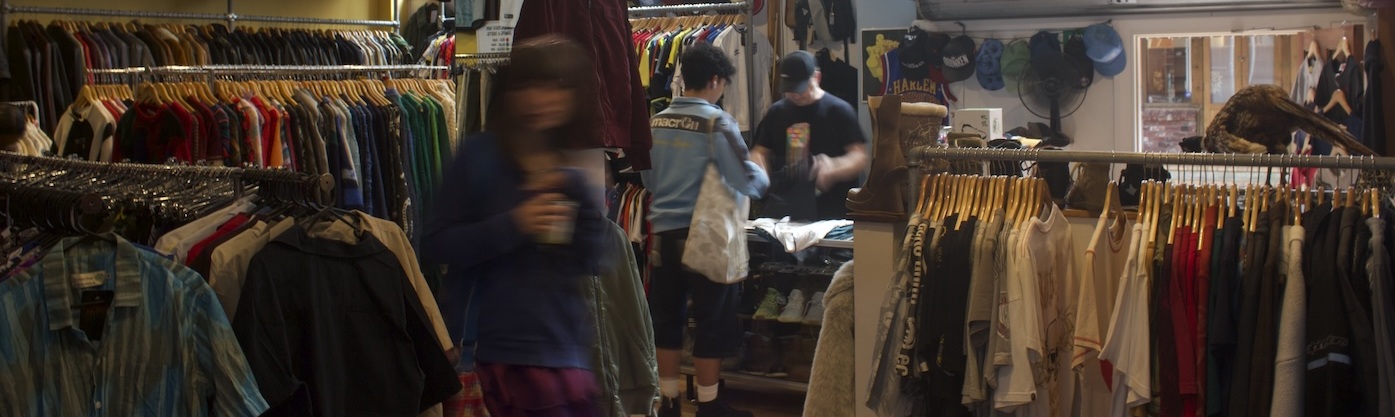
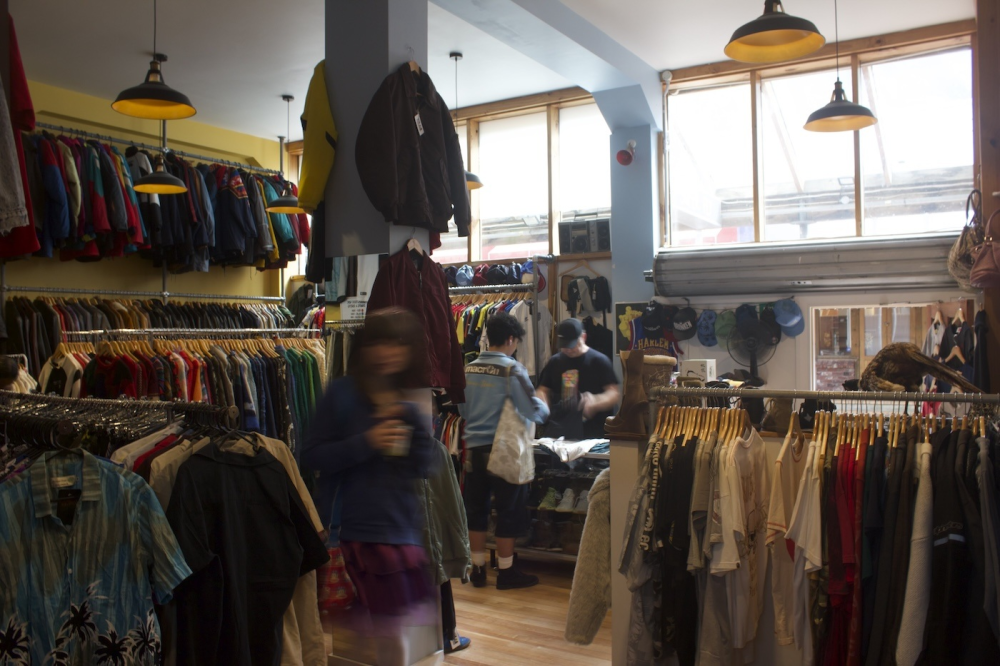
Felix Clarke met the team at Superfly Vintage, newly opened in Left Bank, and found a story of revitalisation through the power of local business.
“It’s like Christmas shopping for the family,” says Navarre Janse, owner of Superfly, as he chooses which rare t-shirts to display by the front door. He’s always loved op-shopping and is a longtime collector of vintage and antique clothing. He ran flea market stalls in Melbourne for ten years.
“I just find cool stuff… I see its potential.” He describes Superfly as a kind of natural progression. “I was running a stall with Chemo Finds (Vintage reseller specializing in sports apparel) down on Courtenay Place, and just… decided to do my own thing.” He prefers to stock from within New Zealand, but also leverages his contacts in Melbourne to ship over pieces that are difficult to find domestically.
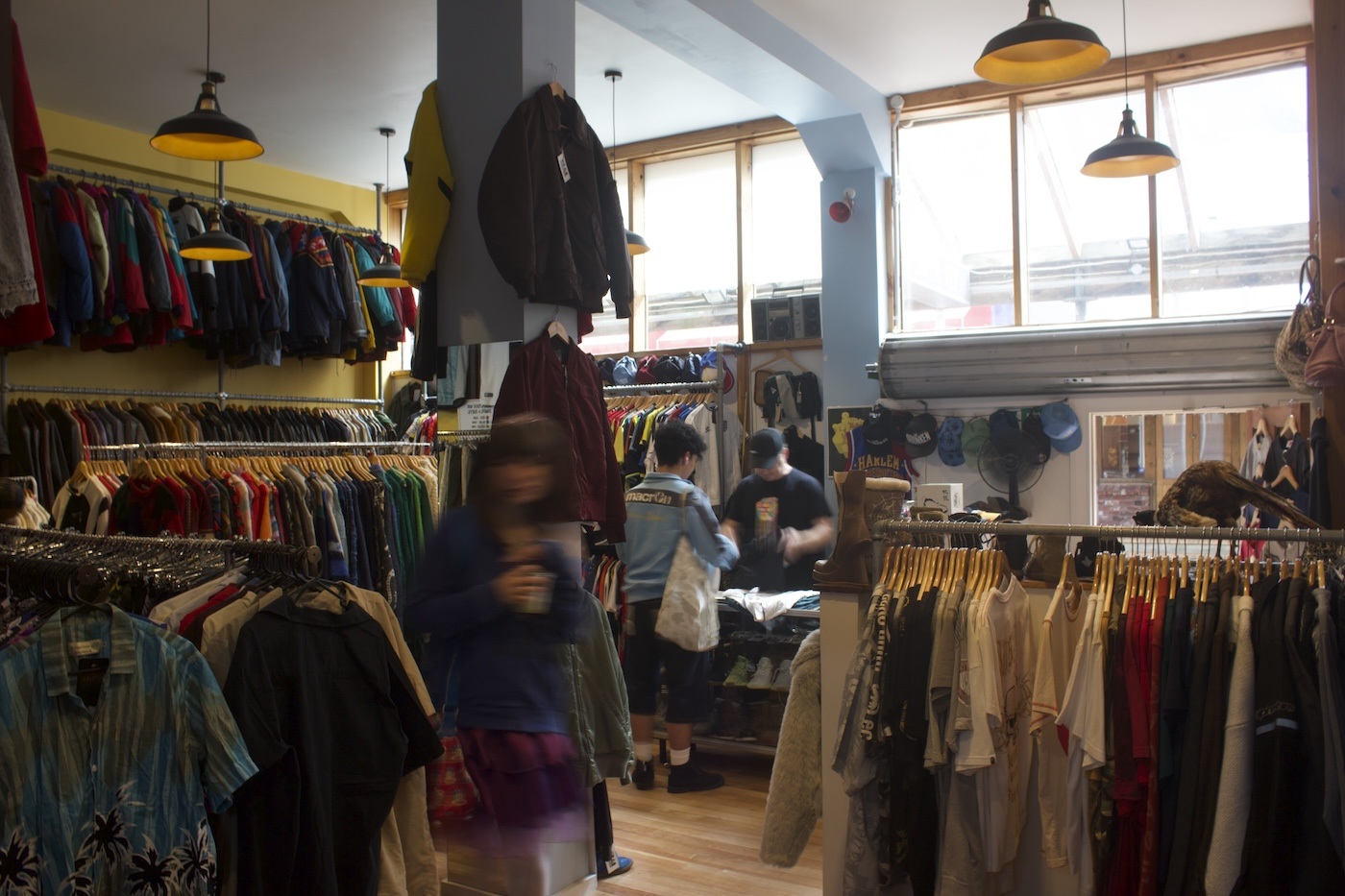
Janse doesn’t feel that he’s in competition with other vintage stores in the area, but rather that they form a “circle of support” for the budding business. The more prevalent vintage stores are, he reasons, the stronger the associated fashion scene becomes. Something that sets Superfly apart from the rest of the scene is its relationship with stockists. Small designers and upcyclers can ‘rent-a-rack’, taking on all the risk, but also all the profit, of garments sold off their racks. There are currently six small businesses that augment Janse’s own collection: Desu, Earth Projects, Seed and Moss, Exotic, Chemo Finds, and RNJ Collective.
Jacob Lawson, the ‘J’ in RNJ Collective, spoke on the role Superfly and its stockists plays in the local fashion scene, and on the importance of ‘slow fashion’.
“We’re into people, into second hand, into building taste, into fashion!”
Sitting down for a chat on the redbrick stairs of Left Bank, Lawson espoused the kaupapa of his work. Superfly was bringing together the old school and new school of vintage fashion, he said, a process that’s revitalising for businesses, local fashion, and the planet.
“I was so traumatized by the fast fashion industry.” He recounts a recent trip to the manufacturing district of Guangzhou, China, where a large portion of the garments for retailers like Shein, Zara, and H&M are produced.
“The sheer scale of how much is being produced is awful — and 25% of it goes unsold!” An alternative to this destructive industry is to shop second hand, and it’s good for more than just the environment: “It’s fashion as an art.”
From Jacob’s perspective, vintage shopping is more like art collecting, and wearing the pieces themselves is participating in the artistic process.
“Each item of clothing you wear has a meaning,” he explains. “When you get dressed each morning, you’re choosing to express yourself. You’re asking yourself a question: what do you mean?”
Post Covid and public sector layoffs, Te Aro’s local economy has taken a hit. Many beloved local businesses are gone. Innovative new businesses like Superfly, that foster community engagement and upskilling of local professionals, are the first hopeful step towards revitalisation.
OTHER STORIES
... loading ...