
 The Local - Te Aro
Alex Brocklehurst talks to locals still affected by disruption caused by a concert in April.
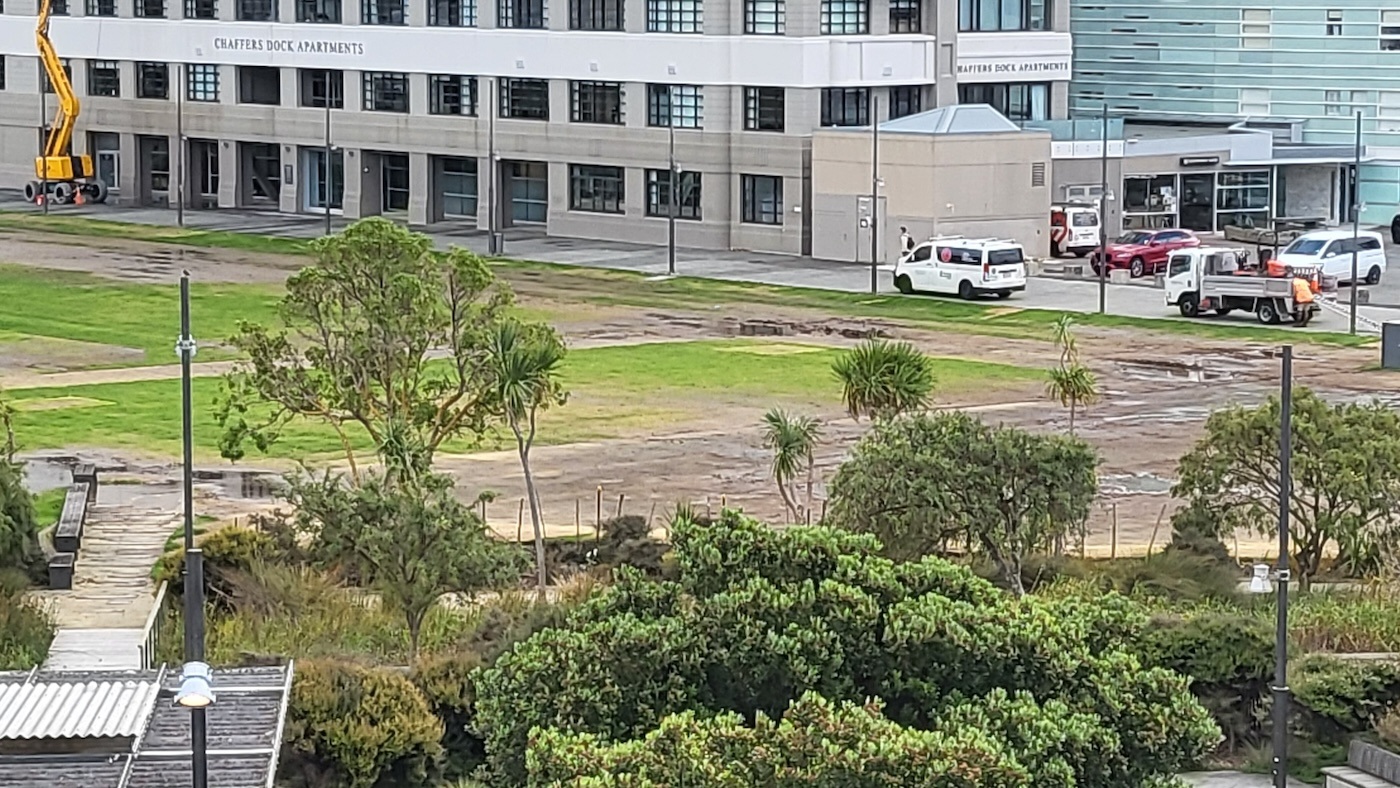
Waitangi Park is still off limits to locals, following damage to the turf caused by the Ultra music Festival in April.
The Ultra music festival was the first major music festival to be held on the Wellington Waterfront since Homegrown departed the city last year, and its arrival was welcomed by hotels, bars and restaurant owners.
Around 23,000 people attended the one-day concert, injecting much needed revenue to the city’s economy, and giving a boost to the city’s spirits.
But while the festival was counted as a major success, those living nearby say they have paid a high price, and hope that organisers and the Wellington City Council will do things differently next time.
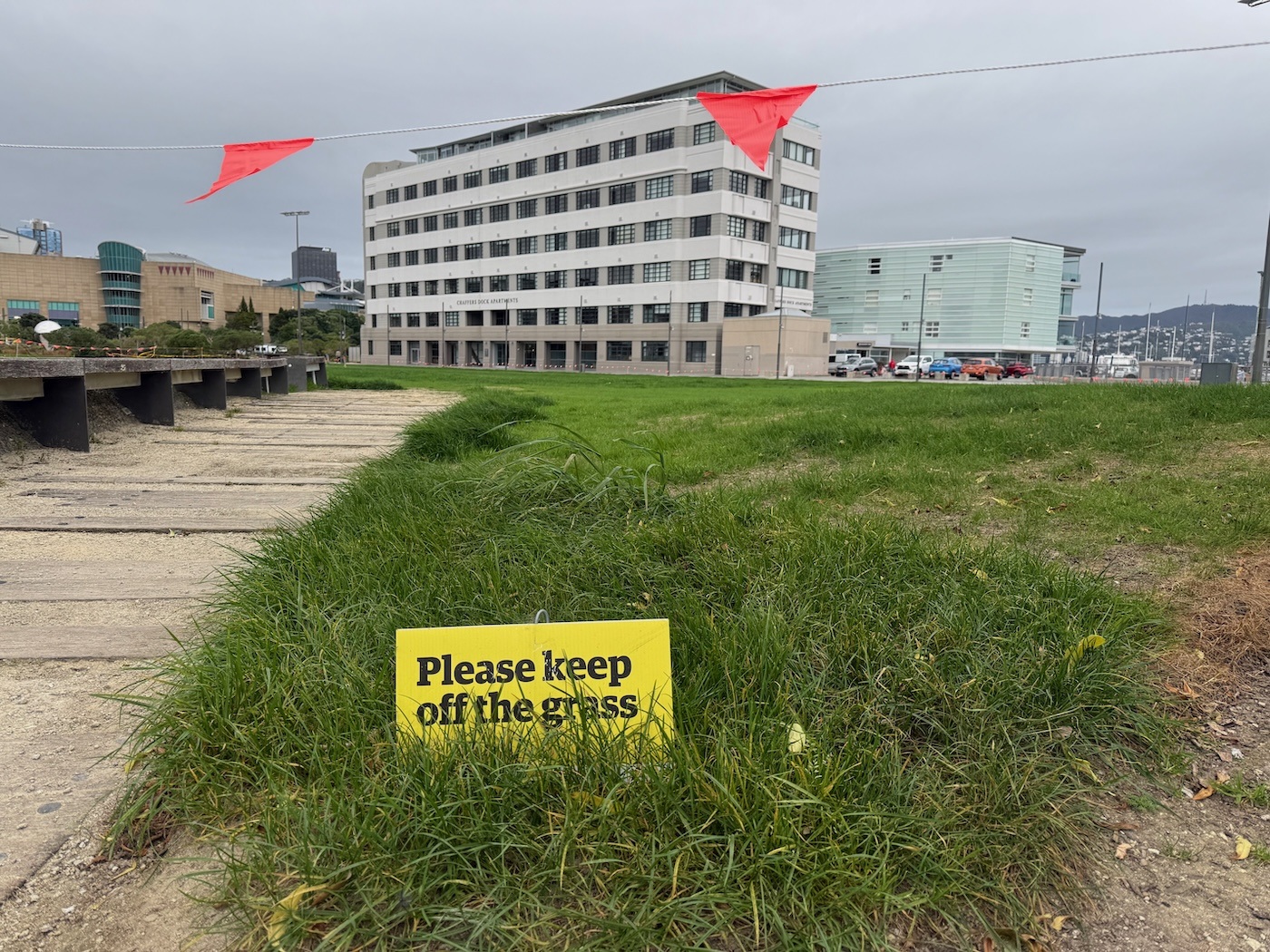
Waitangi Park became a dust bowl after damage caused by the festival before the dust turned to mud after heavy rain later that month. The ‘keep off the grass signs’ are still in place two months later.
Residents near the waterfront said they experienced weeks of noise and traffic as the site was set up and dismantled.
Areta, who did not want to give her surname, told The Local she was surprised when scaffolding for the festival stage completely blocked the windows of her apartment.
She said the residents of her building had been given no warning. After she emailed the council directly, she was offered tickets to the festival.
An Oriental Bay resident, whose property also overlooked the festival, and who did not want to be named, said the scale of the event was far bigger than they expected.
“We’ve had other concerts in Waitangi Park … this one just seemed bigger and longer in terms of the disruption it caused. I don’t think we were ready for that.”
The festival’s stages took two weeks to set up, and another ten days to dismantle. This involved trucks coming and going, traffic restrictions and “constant banging”, including on Sundays.
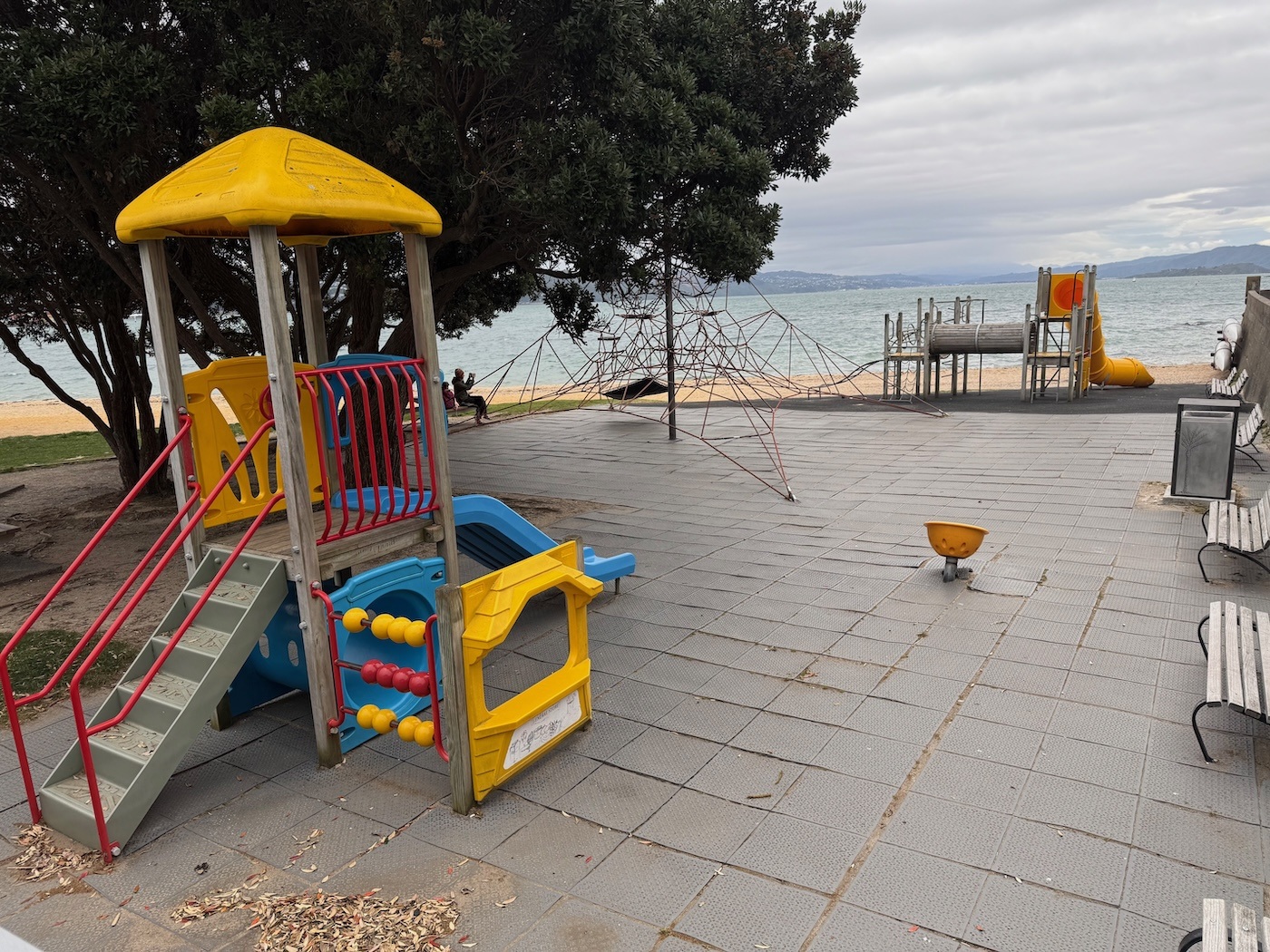
Walkways, parking spaces, and the children’s play area in the park were inaccessible at various times – in a period that coincided with the Easter weekend and school holidays.
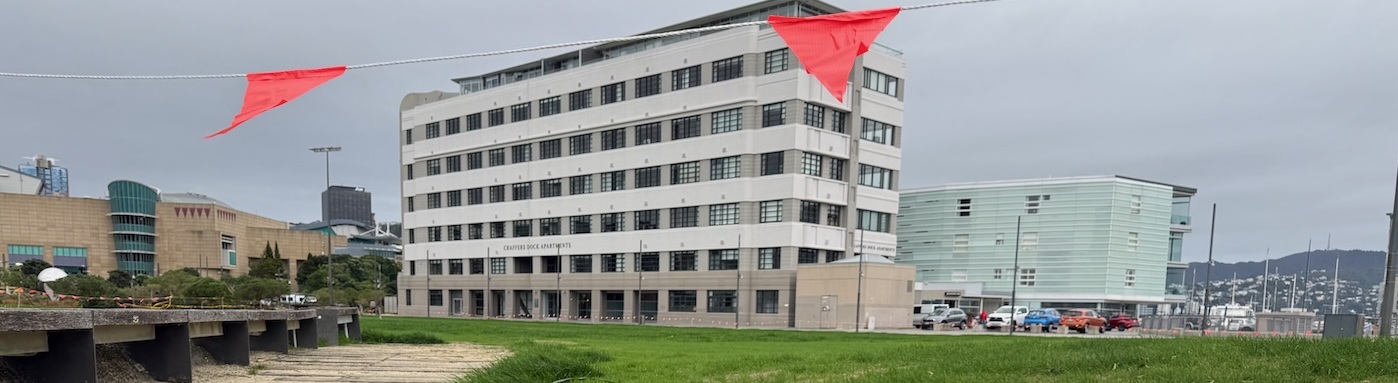
Peter Hughes-Hallett, chair of the body corporate at the Chaffers Dock Apartments, said the body corporate supported events in Waitangi Park when they were well-planned, with sufficient notice and engagement with residents and businesses.
He said the Ultra festival was implemented with a tighter timeframe than usual, which caused issues for residents.
“These issues have been communicated to [Wellington City Council] and I am confident that with advance engagement we will be able to overcome any potential issues for future Ultra events”, he said.
A spokesperson for the Wellington City Council said the consent for the festival included conditions to notify residents and businesses, and that the organiser confirmed two letter drops were completed in the lead-up.
The council had engaged with nearby residents and businesses, and provided information via its website, channels and through the media.
The spokesperson said they did not pass on park remediation costs to the festival.
“At the end of each events season the Waterfront has a scheduled lawn remediation work which includes Waitangi Park, so there’s no additional charge for this specific event.
“This year’s planned lawn remediation work cost $22,860.30 plus GST. The works included routine remediation as well as additional repairs required following the significant weather event on 20 April.”
The event was one of several to receive funding from MBIE’s Events Attraction Package, with the aim to support ‘showstopper’ events that attract large audiences and international visitors. MBIE wouldn’t say how much money from MBIE’s Events Attraction Package was used to bring Ultra to Wellington.
Deborah Jones, MBIE’s Manager Major Events told The Local the individual funding amounts for each event will not be disclosed for commercial reasons. Once all events are announced, the total funding for all events supported by the Events Attraction Package will be released.
OTHER STORIES
... loading ...