
 The Local - Te Aro
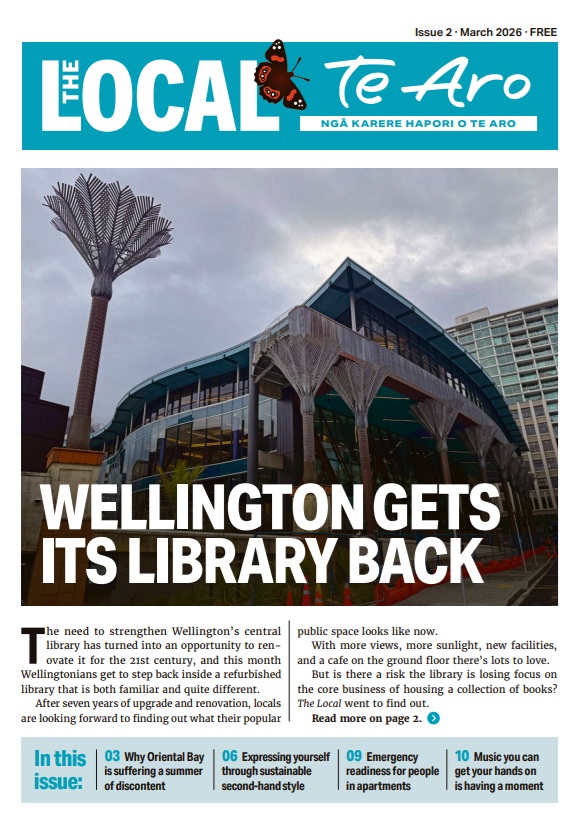
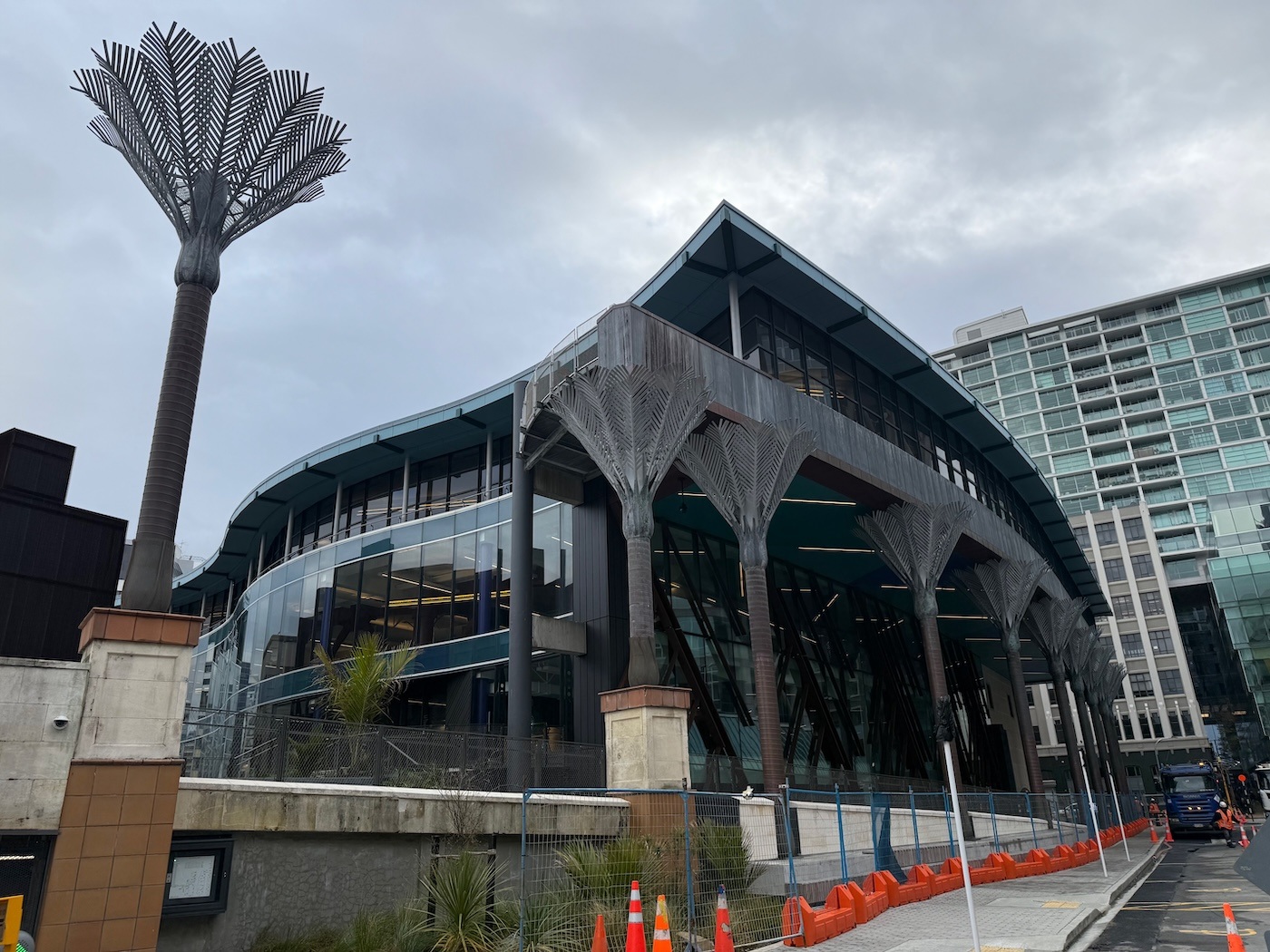
Wellington’s central library, Te Matapihi ki te Ao Nui, is about to reopen, strengthened, stripped back and fully reimagined. Akasha Sergeant got a sneak preview.
“We’re in a completely new experience if you know the old library,” a project lead Gisella Carr says during a media walkthrough. “The concrete’s come off. There is now more sunlight pouring into this end of the library.”
The most visible change is architectural. A broad, tiered circulation space known as the bleachers now forms the building’s centre. Inspired by contemporary libraries in Helsinki and Australia, it is designed as a flexible civic forum, a place for writers’ talks, musical performances and public discussion.
Where the former interior directed visitors quietly between shelves, the new layout encourages gathering, lingering, and spontaneous interaction.
Children and teenagers have been given distinct, purpose-built zones. The Capital E space for under-fives incorporates creative play directly into the architecture, with curved craft tables referencing the harbour and a slide seamlessly integrated into the design.
Upstairs, at the north end, a dedicated youth area reflects direct consultation. Teenagers, staff said, “hated being next to the children.” They now have varied seating, study areas, and a large screen in a space deliberately set apart from younger readers, allowing autonomy and a sense of ownership.
The upper floors also house a maker space and media lab that expand the concept of what a library lends. Sewing machines line one wall; nearby sit 3D printers, a weaving loom, and a CNC carving machine. Most materials are free for public use.
In a green screen studio known as “On TV,” school groups will be able to produce filmed content, experimenting with roles from presenter to director to graphic designer, reflecting a hands-on approach to creativity and digital literacy.
Heritage has been fully integrated into the building’s core. The city archives occupy a climate-controlled suite with a specialist reading room designed for focused research. Adjacent digitisation stations allow residents to convert home videos, negatives, and photo albums into digital files at no cost. Sessions must be booked, and users complete the process themselves, with archivists available nearby for guidance and technical support.
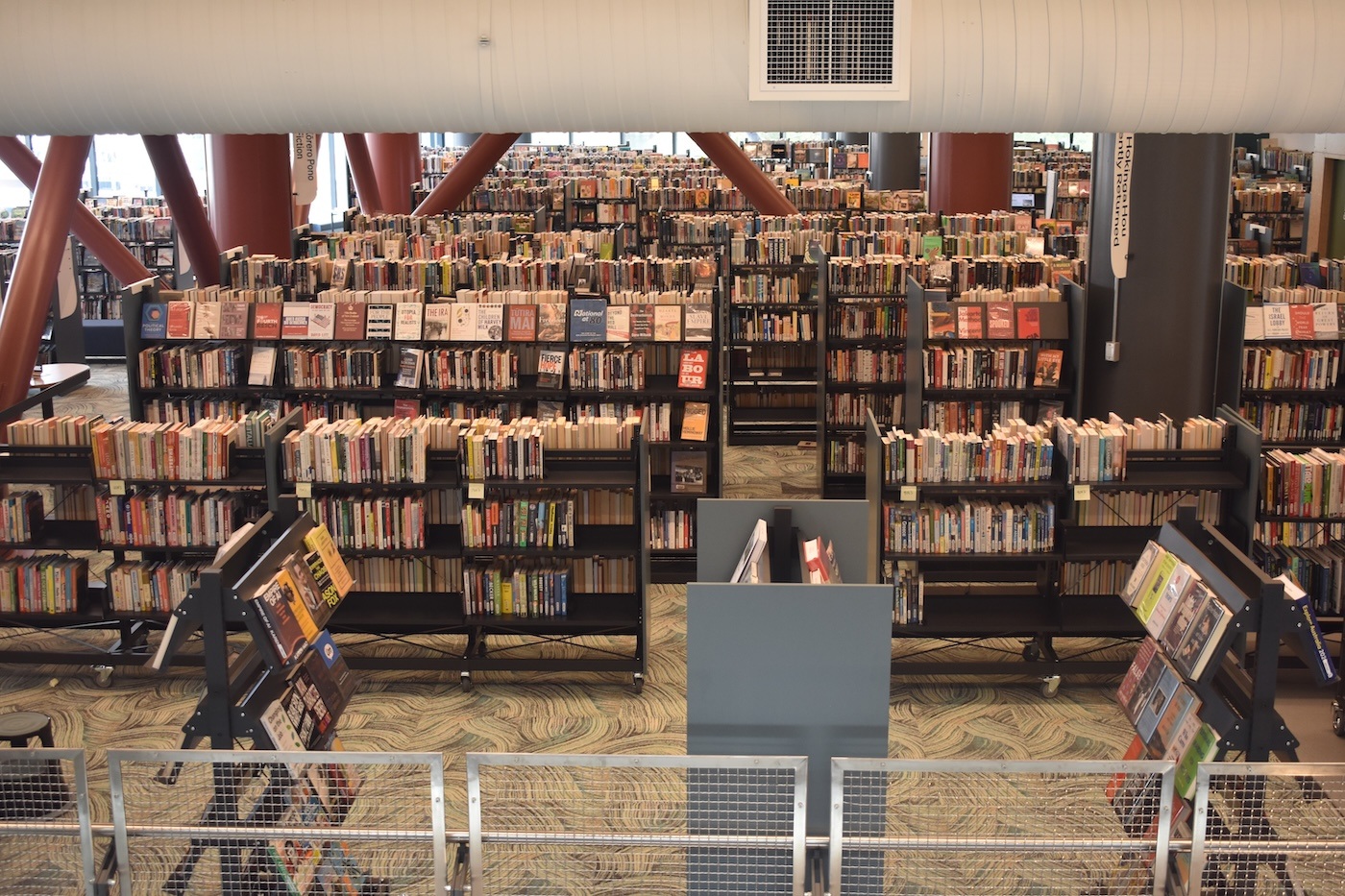
Behind the scenes, the collection has been carefully reshaped. Roughly 80,000 items, largely duplicates or outdated material, were removed during the closure. “Each item had to fight for its life,” a librarian said, describing a seven-year process of incremental purchasing and rigorous review. Newer titles now fill the shelves, ensuring the collection feels current, relevant, and engaging.
Light boxes by artist Darcy Nicholas glow within the building, referencing creation stories and the importance of women, threading local narrative through contemporary design. After years of scaffolding and silence, the building feels less restored than recalibrated, a civic space designed not only for reading, but for performance, preservation, and participation. On 14 March, Wellington will step back inside.
What Is a Library in the Digital Age?
When Wellington’s central library closed after the Kaikōura earthquake in 2016, the loss was felt far beyond the absence of a building. For many people, it meant the disappearance of a civic space, somewhere warm, quiet and open to anyone who walked through the doors.
Seven years later, the city’s rebuilt library, Te Matapihi ki te Ao Nui, is about to reopen with fewer physical books than before and a very different layout. The change has sparked a broader question: what exactly is a library supposed to be in an era when so much information lives online?
Stephen Clothier, a senior librarian involved with the project, says the answer has been evolving for years. “Libraries used to be primarily about storing knowledge,” he explained during a media walkthrough of the building. “Now access matters more than ownership. People still come for books, but they also come for technology, study spaces, creative programmes and community connection. The library has become something much broader.”
That shift reflects a global transformation. For centuries, libraries operated on what librarians sometimes call a “just in case” model, with vast collections maintained on the assumption that any book might one day be needed. Today, digital catalogues, shared databases and e-books mean information can often be retrieved instantly rather than stored physically. The result is that library buildings themselves are changing.
At Wellington’s new central library, traditional stacks sit alongside maker spaces, gallery areas and expanded community rooms. The ground floor opens out toward Capital E and includes a café designed to function as a kind of civic living room.
Not everyone is convinced that transformation is entirely positive. The debate surfaced online earlier this year after a Wellington resident posted on Facebook questioning the reduction in the library’s physical collection.
“A library without books isn’t a library,” the post argued, prompting hundreds of comments. Some agreed, worrying that shrinking shelves signalled the slow erosion of reading culture.
Others defended the redesign, saying libraries had to evolve to remain relevant.
Out on the streets of central Wellington, the responses are similarly divided. On a windy afternoon, a retired secondary school teacher said she worries about the loss of depth. “A library is about books,” she said firmly. “That’s what makes it different from a mall. Once you start shrinking the shelves, you change the soul of the place.”
A Victoria University student offered a different perspective. “I use the library for study space and WiFi,” she said. “Most of my readings are online anyway. If fewer books mean better spaces to work, that makes sense to me.”
Another student waiting for the bus described libraries as one of the few truly public spaces left in the city. “You can sit there for hours, and nobody expects you to buy anything,” he said. “That’s pretty rare now.”
Parents, meanwhile, often see the changes as an opportunity. A mother of two young children said the new creative spaces could help shape how the next generation experiences the library. “If kids grow up thinking the library is exciting and welcoming, they’ll keep coming back,” she said.
For Clothier, the challenge is finding balance. “The core idea hasn’t changed,” he said. “Libraries are still about access to knowledge and opportunity. The difference is that the ways we provide that access are expanding.”
As Wellington prepares to reopen its central library, the debate is unlikely to disappear. The building may be new, but the question it raises is an old one: what kind of public space should a library be? A sanctuary of books. A hub for community. Or, perhaps, something that tries to be both at once.